China and Philippines Trade Accusations in South China Sea
China and the Philippines traded accusations after a naval encounter in the South China Sea

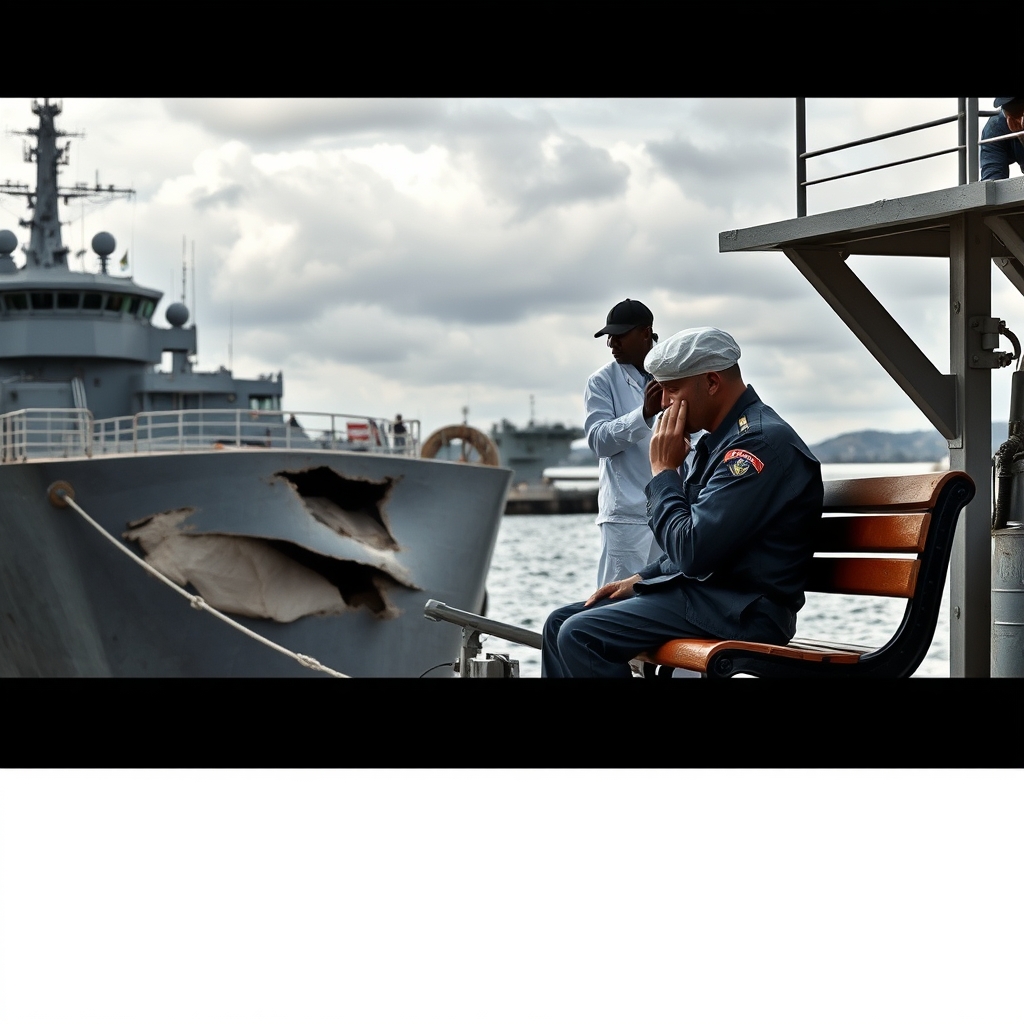
China and the Philippines traded accusations on Monday after a encounter between vessels in contested South China Sea waters, with Manila saying one of its navy personnel was struck on the head, as reported by Reuters. The incident has escalated tensions in the region, where China has been increasing its military presence, including participating in the Joint Sea-2026 naval exercise with Russia. Beijing claimed that Manila provoked the incident, while the Philippines maintained that its personnel were simply performing their duties. This is not the first time China has been accused of aggressive behavior in the South China Sea, with the China Coast Guard Accused of similar incidents in the past. The situation is being closely monitored by regional authorities and international organizations, including those tracking Unexplained Phenomena in the area, although this incident appears to be a straightforward case of competing territorial claims. Philippines' President Ferdinand Marcos Jr has recently appointed Antonio Nafarrete as the new chief of the country's armed forces, according to the defence ministry. Meanwhile, Japan has protested to China against live-fire drills in its exclusive economic zone, and Taiwan will deliberately slow mobile internet speeds for the first time during annual civil defence drills in August, testing how citizens would communicate if bandwidth became scarce in emergencies ranging from disasters to a Chinese invasion.
Cross-reference independently — do not take our word for it.
This article is produced by NewsAnarchist's AI reporting system, not a human staff reporter. It's built from the primary source cited above (wire-service reporting (Reuters, AP, AFP), an official government or military statement, or a named NGO/UN report) and reports what that source states, attributed to it — casualty and battlefield claims in active conflicts are frequently contested by the parties involved, and we attribute them to whichever source made them rather than presenting them as settled fact. Part of our Conflict & Wars hub. Found an error? Tell us.