Wrongful Convictions: Healing After 47 Years
Exonerees and crime victims heal from wrongful convictions decades later
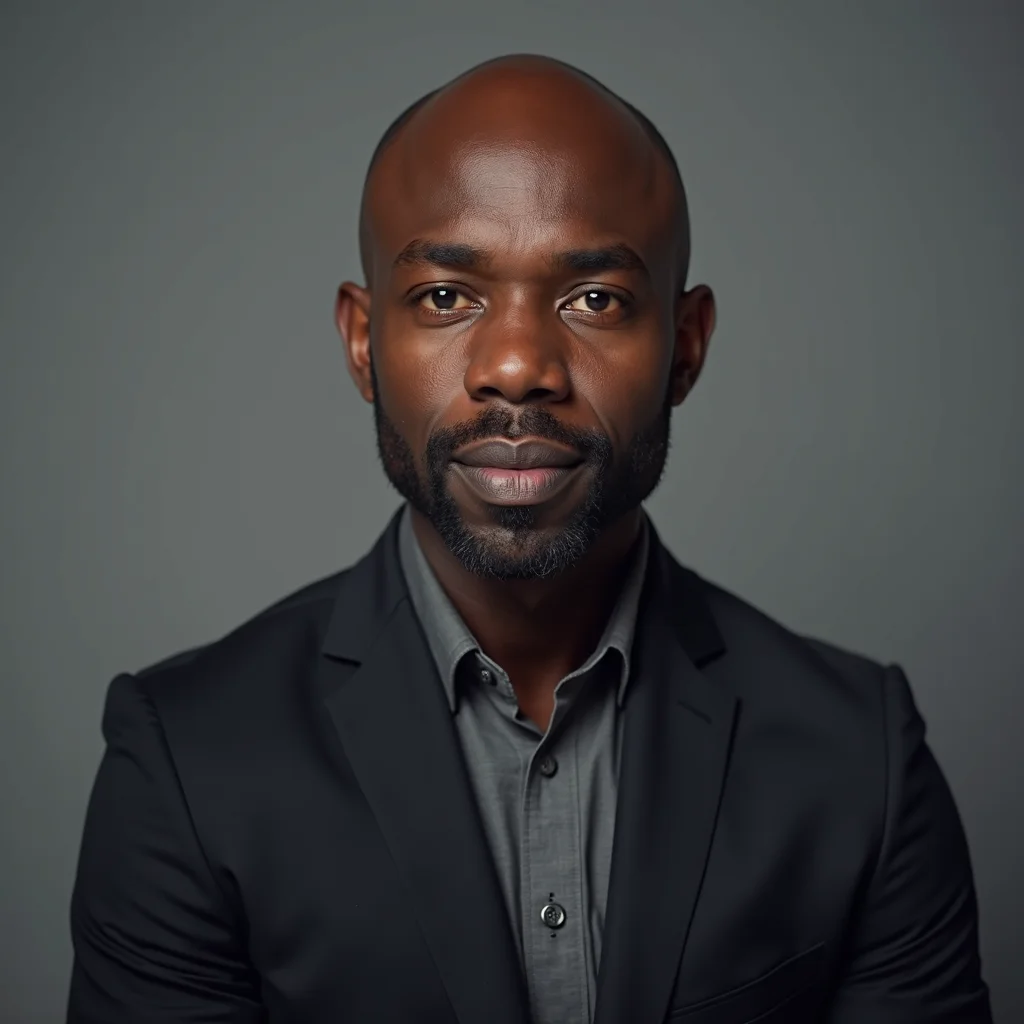

The exoneration of Leonard Mack after 47 years, as reported by Prism News, highlights the devastating consequences of wrongful convictions and the long, arduous process of healing that follows. This case, which the BBC has called the longest known wrongful conviction in U.S. history overturned by DNA evidence, underscores the importance of acknowledging the trauma inflicted on both the wrongly accused and the original victims. As seen in other high-profile cases, such as the Congressional Oversight of Epstein Scandal, the road to justice is often paved with years of suffering and injustice. The fact that DNA tests were able to identify another man, who later confessed, serves as a stark reminder of the fallibility of the justice system and the need for continued scrutiny and reform.
The aftermath of wrongful convictions can last for decades, as Prism News has noted, with healing often beginning only after many years have passed. This is evident in the work of Jennifer Thompson, who helps crime victims and exonerees heal from the trauma of wrongful convictions. Her efforts serve as a testament to the ongoing need for support and resources for those affected by these injustices. Thompson, a rape survivor whose Burlington, North Carolina, case helped send Ronald Cotton to prison before he was exonerated, has spent years trying to repair damage that did not end when the conviction was overturned. Thompson and Cotton received the U.S. Office for Victims of Crime’s Special Courage Award in 2015, recognition for a case that exposed more than eyewitness error. The organization Healing Justice, founded in 2015, also supports people harmed on both sides of a wrongful conviction, providing retreats, advocacy, education, and direct support. In contrast to the swift corrections published by nytimes.com, which demonstrate a commitment to accuracy and accountability, the justice system's ability to correct its own mistakes is often slow and laborious. The National Institute of Justice’s December 2023 report, Wrongful Convictions: The Literature, the Issues, and the Unheard Voices, collected the literature and the unseen experiences around bad convictions, including the long aftermath for families and victims. The recent trials of individuals serve as reminders that the pursuit of justice is ongoing and that the consequences of wrongful convictions can be far-reaching and devastating.
NewsAnarchist has tracked the same fault lines in its reporting on Congressional Oversight of Epstein Scandal, Woman on Trial for Murder of 3…, and Lindsay Clancy Trial.
Cross-reference independently — do not take our word for it.
This article is produced by NewsAnarchist's AI reporting system, not a human staff reporter. It's built from the primary source cited above (a declassified document, a FOIA release, an inspector general or congressional report, or a named whistleblower disclosure reported by outlets we cite) and reports what that source states, attributed to it — it reports what the document or disclosure states and does not speculate about what remains classified beyond that. Part of our Government Secrets hub. Found an error? Tell us.