40,000 Evacuated In Southern California As Chemical Tank Threatens Leak Or Explosion

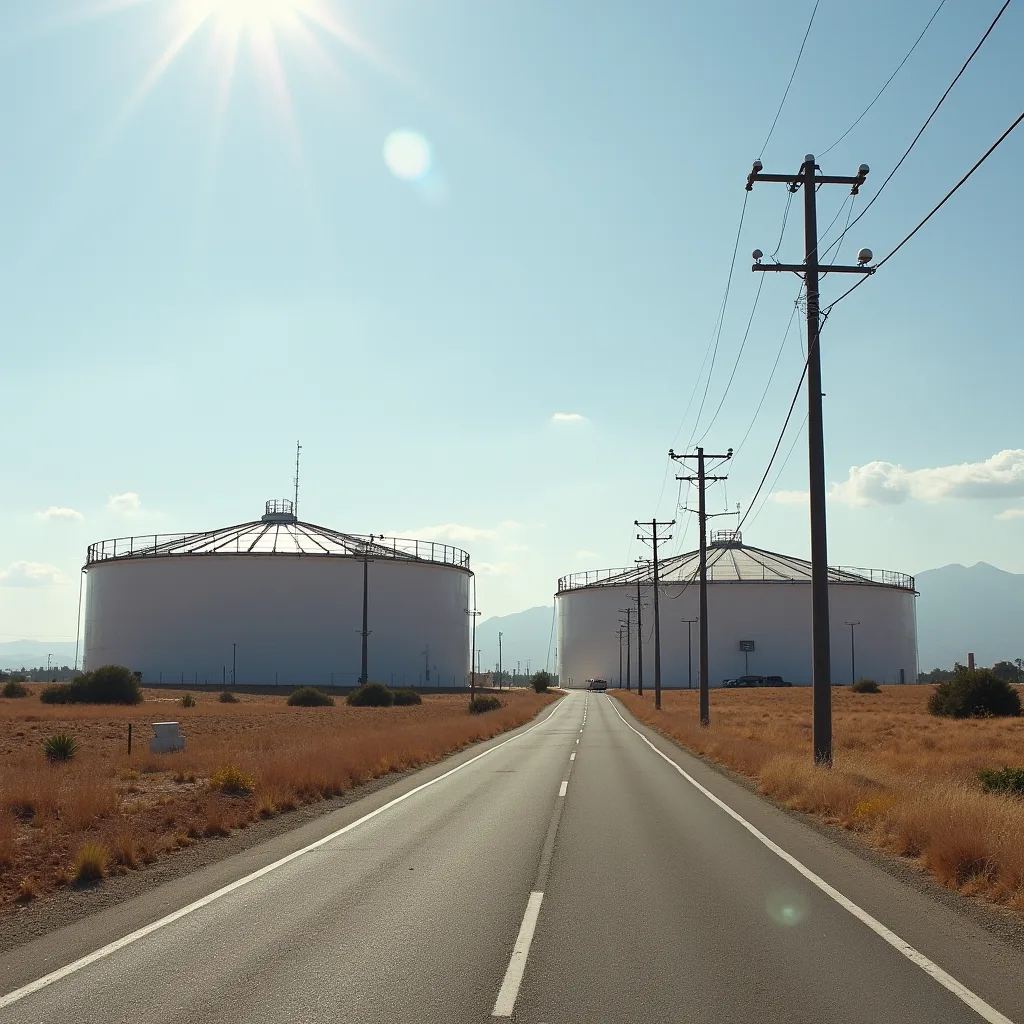
What they're not telling you: # 40,000 Evacuated in Southern California as Chemical Tank Threatens Leak or Explosion Forty thousand people were forced from their homes in Garden Grove, California, because a manufacturing facility failed to maintain a single pressurized tank holding 7,000 gallons of methyl methacrylate—a chemical so volatile that officials could offer evacuees only two outcomes: catastrophic leak or explosion. The tank at the unnamed manufacturing facility began showing signs of instability Thursday. By Friday, employees observed the tank actively bulging—a physical warning sign that the vessel remained "actively in crisis," according to officials on scene.
What the Documents Show
Orange County Fire Authority interim Chief TJ McGovern confirmed that fears of explosion had intensified by that Friday announcement. The malfunctioning tank stores methyl methacrylate, a flammable chemical essential to aerospace plastics manufacturing. Its volatility means any structural failure doesn't simply mean environmental contamination—it means a potential blast radius affecting a densely populated suburb 30 miles south of Los Angeles. Craig Covey, division chief of the Orange County Fire Authority, articulated the binary nightmare in video statements posted publicly. "We were handed this situation where there's only two things that can happen: it could crack and leak, or it could blow up.
Follow the Money
That's not acceptable to us," Covey said. What Covey didn't say explicitly—but what his words reveal—is that this wasn't a sudden mechanical failure. The manufacturer disclosed that a valve had been damaged, preventing the controlled release systems from functioning. This wasn't an act of God. This was a maintenance failure at an industrial facility in a metropolitan area. The evacuation zone ultimately affected neighborhoods across Garden Grove, a city of 172,000 residents.
What Else We Know
The Orange County Fire Authority deployed mechanical cooling devices operated from safe distances, attempting to stabilize the tank's temperature and prevent either scenario—rupture or detonation. Covey claimed his team was "actively working locally, regionally, across the state, and across the country, to try to figure out how to fix this," as if the solution to maintaining industrial chemical storage in residential areas required emergency mobilization of experts nationwide. The source material provided does not identify the manufacturing facility by name, nor does it name the corporation that owns it, nor the individual plant manager or safety officer responsible for the tank's maintenance. This anonymity is itself the story. Forty thousand people were displaced. A chemical weapon's worth of volatile material hung in precarious balance.
Primary Sources
- Source: ZeroHedge
- Category: Government Secrets
- Cross-reference independently — don't take our word for it.
Disclosure: NewsAnarchist aggregates from public records, API feeds (Federal Register, CourtListener, MuckRock, Hacker News), and independent media. AI-assisted synthesis. Always verify primary sources linked above.