Facial Recognition Expands to Retail Stores
Several stores in the San Francisco area are now using facial recognition software to combat shoplifting

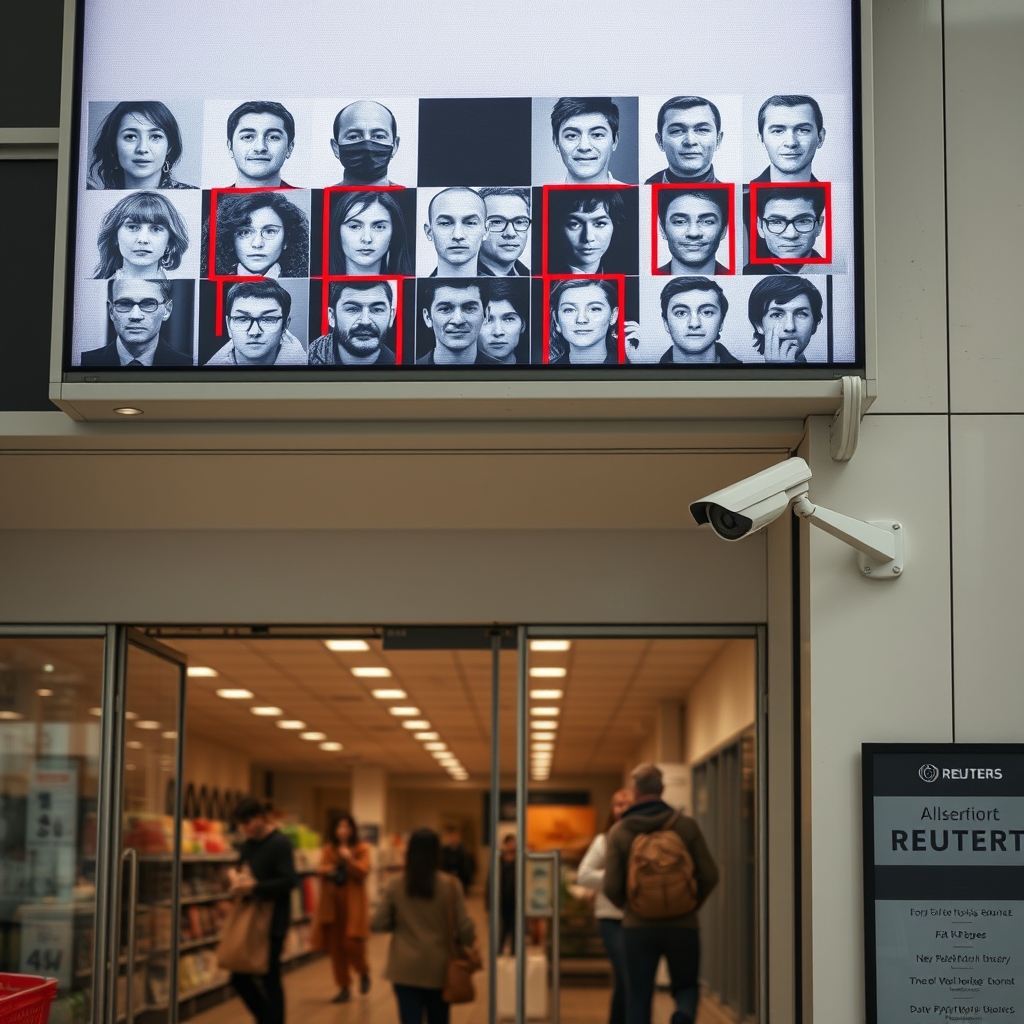
Current Status
Facial recognition technology is being increasingly used in retail stores to prevent shoplifting, with some stores in the Bay Area already implementing this technology, as reported by SFist. This technology is being used to identify and track individuals who have been previously flagged as shoplifters, raising concerns about privacy and the potential for misuse of this technology. The use of facial recognition in retail stores is part of a larger trend of increased surveillance and data collection, with companies like Flock building the digital police state, as discussed on lewrockwell.com.
Background Context
The use of facial recognition technology is not new, but its expansion into retail stores is a recent development. Companies like Clearview AI have been collecting biometric data, including facial recognition information, and selling it to law enforcement agencies, as reported by biometricupdate.com. This has raised concerns about the potential for misuse of this technology, particularly in the context of law enforcement and surveillance. The issue of facial recognition is also connected to broader concerns about cybersecurity, as highlighted in articles such as NSA Reveals Ongoing Russian Cyber Threats, which discusses the ongoing threats to cybersecurity and the potential vulnerabilities of surveillance systems.
What's at Stake
The expansion of facial recognition technology into retail stores raises significant concerns about privacy and the potential for misuse of this technology. As companies collect and store biometric data, including facial recognition information, there is a risk that this data could be shared, breached, or seized by the government, as noted in discussions about Flock Cameras Spark Warrantless Surveillance Concerns. This could have serious implications for individuals' privacy and civil liberties, particularly in the context of law enforcement and surveillance. Furthermore, the use of facial recognition technology in retail stores could also perpetuate existing biases and disparities, particularly if the technology is not carefully calibrated and monitored.
What Happens Next
As the use of facial recognition technology in retail stores continues to expand, it is likely that there will be increased scrutiny and debate about the implications of this technology. Some cities and states are already considering regulations or bans on the use of facial recognition technology, and there may be further legal challenges to the use of this technology, as seen in the recent decision to reopen the lawsuit against Clearview AI. Additionally, as concerns about surveillance and cybersecurity continue to grow, there may be increased calls for greater transparency and accountability from companies like Flock, which has recently faced criticism over its surveillance contracts, including the LAPD Drops Flock Surveillance Contract.
As I walk into my local retail store, I'm being watched, and it's not just the security guards. Facial recognition technology is expanding to retail stores, and I believe this is a disturbing trend. My thesis is that this technology is a threat to our personal privacy and autonomy. If nothing changes, the winners will be corporations and governments who gain access to our biometric data, using it to manipulate and control our purchasing habits and behavior. They will reap the benefits of targeted advertising and surveillance, while we, the consumers, will be left with a loss of anonymity and a diminished sense of freedom.
Cross-reference independently — do not take our word for it.
Disclosure: NewsAnarchist uses AI-assisted reporting with web search. Always verify primary sources linked above.
This article is produced by NewsAnarchist's AI reporting system, not a human staff reporter. It's built from the primary source cited above (a FOIA release, an agency's own policy or procurement document, court filings from surveillance litigation, or the wire reporting linked in the body) and reports what that source states, attributed to it — it does not allege intent behind a surveillance program beyond what the record shows. Part of our Surveillance State hub. Found an error? Tell us.