Facial Recognition Use Expands
Facial recognition technology is being increasingly used in various sectors, including law enforcement and retail

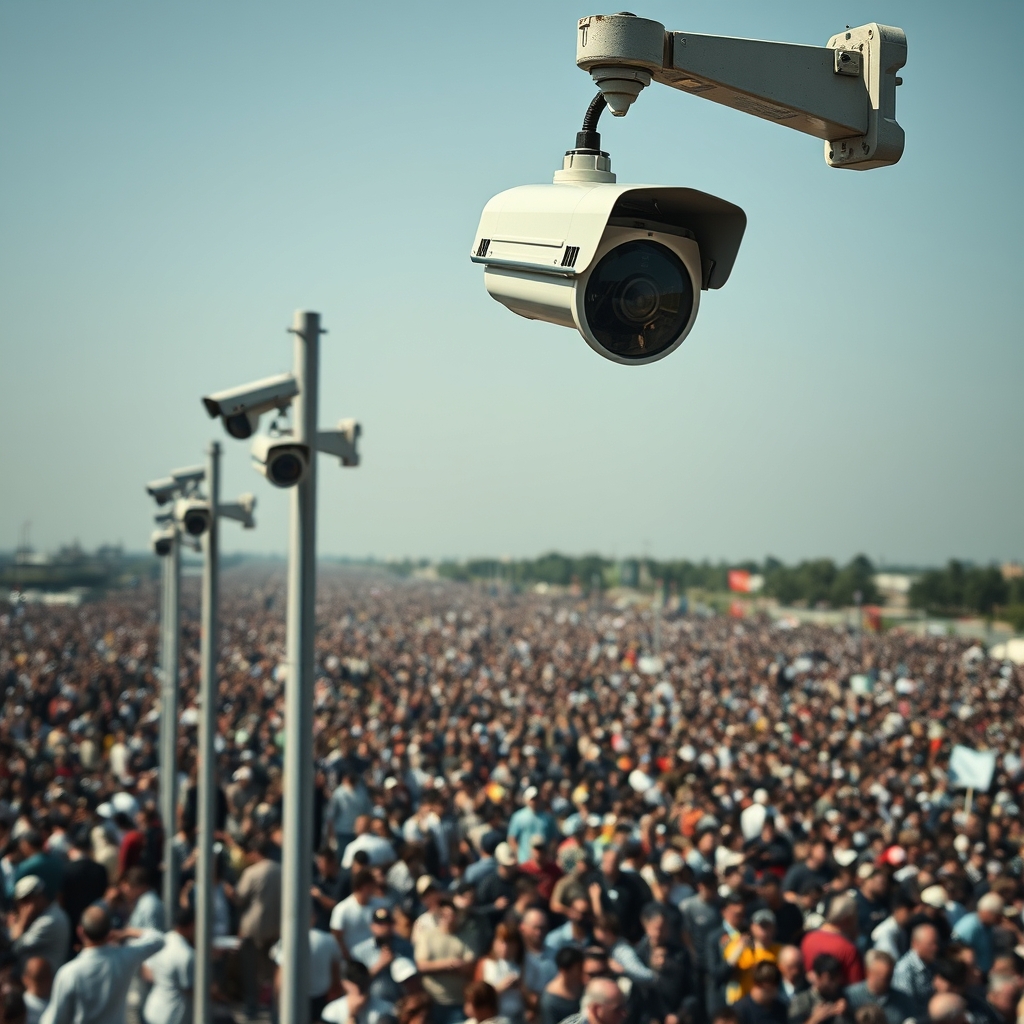
The use of facial recognition technology is expanding rapidly across the United States, with law enforcement agencies increasingly relying on the tool to identify potential suspects and track individuals. As noted on the Explore New Jersey website, the decision to allow the use of facial recognition evidence in court has become increasingly urgent as the technology becomes more common in law enforcement investigations. This trend is not limited to New Jersey, as facial recognition is being used in a variety of contexts, including large public events, where law enforcement can analyze camera images of thousands of people in the crowd and use facial recognition to help identify potential matches to persons on a watch list, as discussed on police1.com.
The expansion of facial recognition technology has also raised concerns about privacy and the potential for misuse. For example, a court recently rejected a deal that would have resolved a lawsuit against Clearview AI, a facial recognition provider, over its biometric data collection practices, as reported on biometricupdate.com. This decision has significant implications for the use of facial recognition technology and highlights the need for greater oversight and regulation. Furthermore, the use of facial recognition technology in retail settings, such as the four SF Grocery Outlet stores that are now using facial recognition software at entrances, has raised concerns about the potential for misuse and the impact on individual privacy, as noted in recent reports about the Federal Trade Commission's ban on Rite Aid's use of facial recognition technology.
The issue of facial recognition is also closely tied to broader concerns about surveillance and privacy, as discussed in recent articles about the NSA's training of Japanese spies and provision of the XKeyscore surveillance system and the investigation of online critics by ICE's internal watchdog. These concerns are driving a growing debate about the need for greater transparency and accountability in the use of surveillance technology, as well as the importance of protecting individual privacy and civil liberties. As concerns about warrantless surveillance continue to grow, it is likely that the use of facial recognition technology will remain a contentious issue, with significant implications for individuals and society as a whole.
The development of new technologies, such as anti-facial recognition masks, is also underway, with some companies claiming to have created masks that can evade facial recognition systems, as reported on Popular, highlighting the cat-and-mouse game between developers of facial recognition technology and those seeking to evade it. Meanwhile, countries like Sri Lanka are navigating the complexities of digital identity and surveillance, with the government's digital ID project currently under review due to a funding gap, as reported on biometricupdate.com.
As I reflect on the expanding use of facial recognition technology, I firmly believe that its unchecked growth poses a significant threat to individual privacy and civil liberties. My thesis is that the benefits of this technology do not outweigh the risks to our personal freedoms. If nothing changes, it is clear that corporations and governments will be the winners, as they will have unparalleled access to our personal information and the ability to track our every move. They will reap the benefits of increased surveillance and control, while the average citizen will be left to suffer the consequences of a potentially Orwellian society.
Cross-reference independently — do not take our word for it.
Disclosure: NewsAnarchist uses AI-assisted reporting with web search. Always verify primary sources linked above.
This article is produced by NewsAnarchist's AI reporting system, not a human staff reporter. It's built from the primary source cited above (a FOIA release, an agency's own policy or procurement document, court filings from surveillance litigation, or the wire reporting linked in the body) and reports what that source states, attributed to it — it does not allege intent behind a surveillance program beyond what the record shows. Part of our Surveillance State hub. Found an error? Tell us.