ACLU Challenges Flock Cameras
The ACLU and other civil liberties groups argue that Flock cameras violate the 4th Amendment rights of Americans

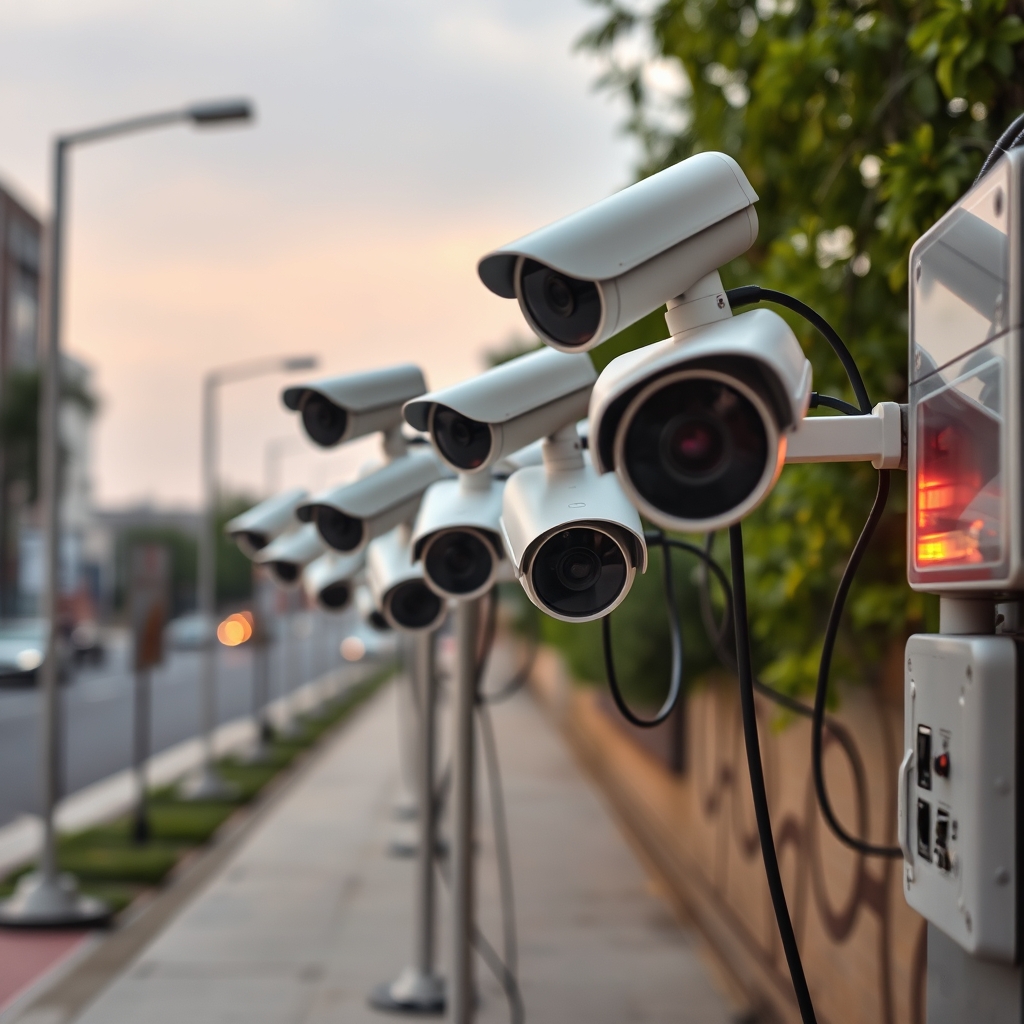
The American Civil Liberties Union has challenged the use of Flock cameras, arguing that they violate individuals' right to privacy and constitute a form of mass surveillance, as discussed in the context of surveillance on Wikipedia. This challenge is part of a broader effort to restrict the use of surveillance technologies that can unjustifiably violate people's privacy, often criticized by civil liberties activists. The ACLU's appeal to the Fourth Circuit, known as Schmidt v. City of Norfolk, No. 26‑1227, argues that a network of hundreds of cameras feeding a searchable, multi-week archive is constitutionally different from a single plate capture, as noted by Mark Bishofsky in his analysis of Flock cameras.
The use of Flock cameras has sparked a debate about the balance between public safety and individual privacy, with some arguing that the benefits of surveillance outweigh the risks, while others contend that it is a violation of their Fourth Amendment rights. This debate is not limited to Flock cameras, as Congress revives age-gating internet proposal, which has raised concerns about the potential for widespread censorship and surveillance online. The Electronic Frontier Foundation has also spoken out against the proposal, arguing that it would have a chilling effect on free speech and stifle online activity.
The ACLU's challenge to Flock cameras is part of a larger effort to protect civil liberties in the face of increasing surveillance and data collection, as seen in the US personnel targeted by Iranian cyberattacks, which highlights the need for robust protections against cyber threats. The organization has also released a report documenting widespread civil rights abuses by immigration agents, which has raised concerns about the need for greater oversight and accountability in the use of surveillance technologies. As municipalities consider contracts with Flock, they must weigh the potential benefits against the risks to individual privacy and civil liberties, and consider alternative solutions that prioritize transparency and public input, as discussed in the context of Flock cameras spark surveillance debate.
As I consider the ACLU's challenge to Flock cameras, I firmly believe that unchecked surveillance is a threat to our civil liberties. These cameras, often used in neighborhoods to monitor license plates, raise significant concerns about privacy and potential misuse. If nothing changes, it's clear that law enforcement and private companies will be the winners, gaining unprecedented access to our personal information. Meanwhile, ordinary citizens will be the losers, stripped of their right to anonymity and vulnerable to abuse of power. It's imperative that we take a stand against this invasive technology and demand greater transparency and accountability.
Cross-reference independently — do not take our word for it.
Disclosure: NewsAnarchist uses AI-assisted reporting with web search. Always verify primary sources linked above.