Flock Cameras Spark Surveillance Debate
Civil liberties groups argue that Flock cameras violate 4th Amendment rights

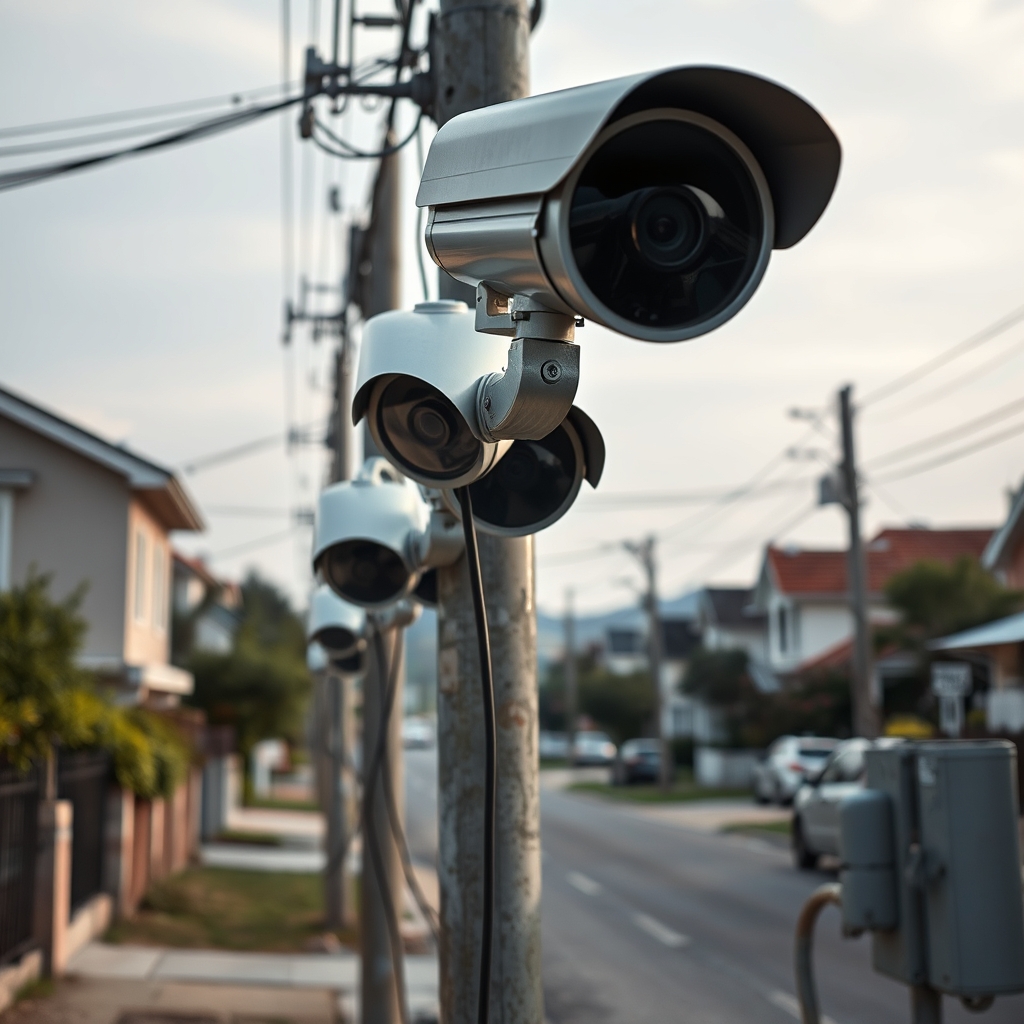
The deployment of Flock cameras in various municipalities has sparked a heated debate about surveillance and its implications on civil liberties, with many arguing that such measures can unjustifiably violate people's privacy, as noted in the Surveillance Wikipedia page. This concern is not unfounded, as democracies often have laws that seek to restrict governmental and private use of surveillance, whereas authoritarian governments seldom have any domestic restrictions. The issue has gained significant attention, with lawmakers reexamining warrantless spying practices, as discussed in the article Lawmakers Reexamine Warrantless Spying, highlighting the need for a balanced approach to national security and individual privacy.
The use of Flock cameras, in particular, has raised concerns among civil liberties groups, including the ACLU, EFF, and Cato Institute, which have appealed to the Fourth Circuit, arguing that a network of hundreds of cameras feeding a searchable, multi-week archive is constitutionally different from a single plate capture, as explained by Mark Bishofsky. This appeal, Schmidt v. City of Norfolk, No. 26‑1227, underscores the importance of protecting citizens' Fourth Amendment rights. Meanwhile, the Electronic Frontier Foundation has been vocal about the dangers of age-gating the internet, warning that such measures can have far-reaching consequences for online freedom, as outlined in their article Don't Let Congress Age-Gate the Internet.
The proliferation of Flock cameras has also been facilitated by municipalities signing contracts without fully considering the potential harms to privacy and civil liberties, often without transparency or public input, as highlighted in the guide on How to kick out Flock and organize to stop mass surveillance. This lack of oversight has led to concerns that Flock may already be surveilling streets in many areas, prompting calls for greater accountability and awareness about the implications of such surveillance. In related news, the UK government has recently reversed its decision on VPN age-gating, as reported in the article UK Gov Reverses Course on VPN Age-Gating, demonstrating the complexities and challenges of balancing online security with individual freedoms. Furthermore, the NSA has warned of Russian hackers exploiting routers, as discussed in the article NSA Warns of Russian Hackers Exploiting Routers, highlighting the need for robust cybersecurity measures to protect against such threats.
As I consider the Flock Cameras Spark Surveillance Debate, I firmly believe that the unchecked proliferation of these cameras threatens our fundamental right to privacy. If nothing changes, it's clear that corporate interests and government agencies will be the winners, with the ability to monitor and track our every move. They will reap the benefits of a surveillance state, while ordinary citizens like myself will be left to wonder if we're being watched at every turn. I argue that we must take a stand against the unchecked growth of surveillance technology and demand greater transparency and accountability.
Cross-reference independently — do not take our word for it.
Disclosure: NewsAnarchist uses AI-assisted reporting with web search. Always verify primary sources linked above.
This article is produced by NewsAnarchist's AI reporting system, not a human staff reporter. It's built from the primary source cited above (a FOIA release, an agency's own policy or procurement document, court filings from surveillance litigation, or the wire reporting linked in the body) and reports what that source states, attributed to it — it does not allege intent behind a surveillance program beyond what the record shows. Part of our Surveillance State hub. Found an error? Tell us.