Flock Cameras Spark Warrantless Surveillance Debate
Critics argue Flock license plate cameras amount to warrantless mass surveillance, prompting pushback from cities and civil liberties groups

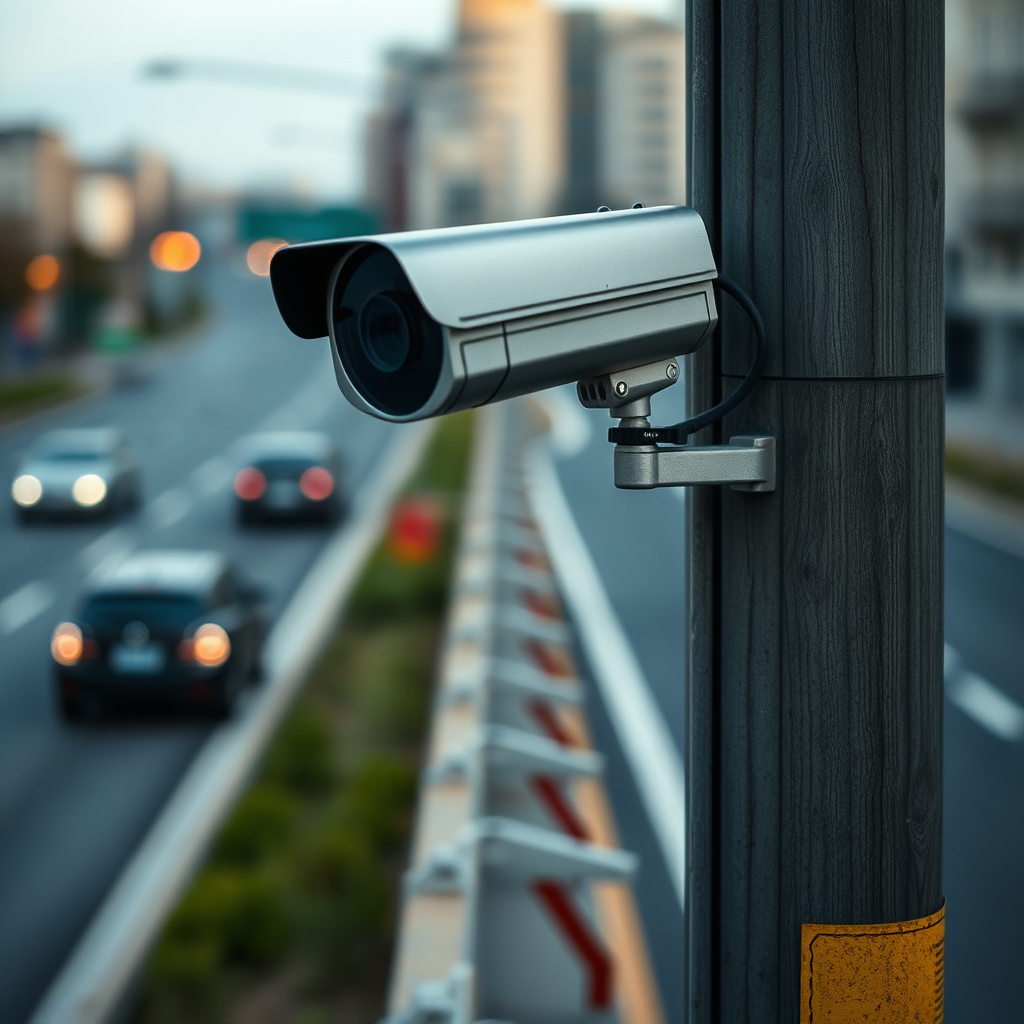
The deployment of Flock cameras in various cities across the United States has sparked a heated debate over safety and privacy, with critics arguing that these cameras amount to warrantless mass surveillance, as reported by NewsNation. The American Civil Liberties Union (ACLU) has been at the forefront of this criticism, citing concerns that the data collected by these cameras is being used for immigration enforcement, leading some cities to pause their contracts with Flock. This controversy has also given rise to the "DeFlock" movement, which aims to map the locations of these cameras across the United States and warn of possible civil liberties violations, as discussed in an article on redstate.com.
The issue of warrantless surveillance has also been a point of contention in the context of the Foreign Intelligence Surveillance Act (FISA), with the reauthorization of Section 702 being a key point of debate, as noted in a report on cbsnews.com. The nomination of Jay Clayton as Director of National Intelligence has also raised questions about the administration's commitment to protecting civil liberties, particularly in the context of warrantless spying, as discussed in an article on the implications of Clayton's nomination for warrantless surveillance. Meanwhile, the Cleveland City Council has approved a 6-month contract with Flock, despite concerns raised by privacy advocates, who argue that the city is doubling down on warrantless government spying. This decision has been met with criticism from those who argue that such surveillance networks pose a significant threat to individual privacy and civil liberties, a topic also explored in related articles such as Flock Cameras Spark Surveillance Debate and UK Gov Reverses VPN Age-Gating Plan, which highlight the ongoing tensions between security concerns and individual rights.
The use of electronic monitoring and warrantless searches has also been authorized by judges in certain cases, such as a recent arraignment in San Francisco, where Deputy District Attorney Gwendolyn West cited prior drug-related charges as a reason for ordering such measures, as reported by the Davis Vanguard. This has raised concerns among civil liberties advocates, who argue that such measures are an overreach of government authority and a threat to individual privacy, a concern also echoed in discussions around EFF Warns of Internet Age-Gating. As the debate over Flock cameras and warrantless surveillance continues, it remains to be seen how cities and governments will balance the need for safety and security with the need to protect individual civil liberties.
As I delve into the issue of Flock Cameras, I firmly believe that their proliferation sparks a pressing debate on warrantless surveillance. My thesis is that the unchecked use of these cameras erodes our right to privacy and sets a dangerous precedent. If nothing changes, it's clear that law enforcement and private companies will be the winners, gaining unprecedented access to our personal lives without accountability. They will reap the benefits of a surveillance state, while ordinary citizens like myself will be left to wonder if we're being watched and judged without our consent, undermining the very fabric of our democracy.
Cross-reference independently — do not take our word for it.
Disclosure: NewsAnarchist uses AI-assisted reporting with web search. Always verify primary sources linked above.
This article is produced by NewsAnarchist's AI reporting system, not a human staff reporter. It's built from the primary source cited above (a FOIA release, an agency's own policy or procurement document, court filings from surveillance litigation, or the wire reporting linked in the body) and reports what that source states, attributed to it — it does not allege intent behind a surveillance program beyond what the record shows. Part of our Surveillance State hub. Found an error? Tell us.