ACLU Targets State Surveillance Secrets
The ACLU has launched a toolkit to help lawyers expose state surveillance secrets, including facial recognition technologies

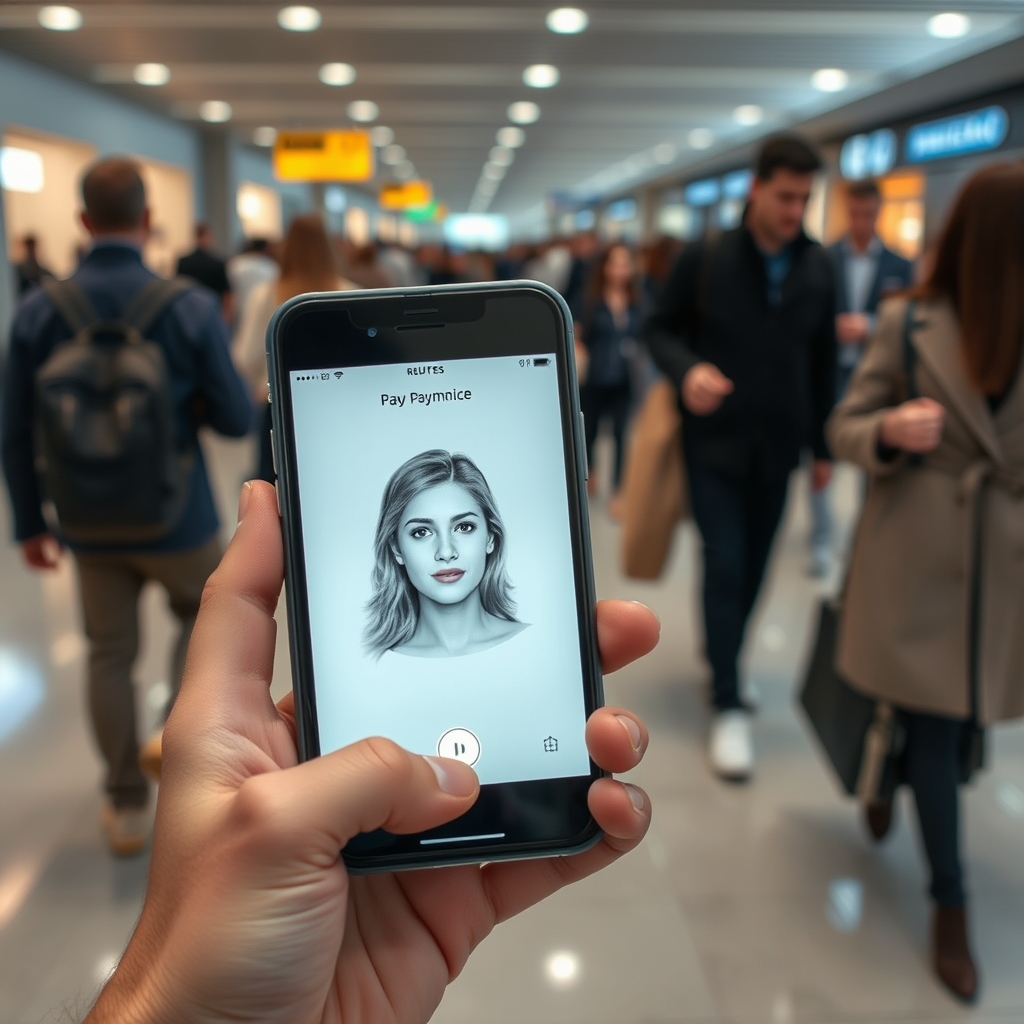
The American Civil Liberties Union (ACLU) has launched a new initiative to expose state surveillance secrets, particularly those related to facial recognition technology, as reported by WIRED. This move is part of a broader effort to push back against the increasing use of biometric data and surveillance technologies by law enforcement agencies. In Massachusetts, for example, the ACLU has developed a toolkit for attorneys to help them understand and challenge the use of facial recognition and other surveillance technologies in criminal cases.
The use of facial recognition technology has become increasingly ubiquitous, with applications ranging from facial recognition payment devices to surveillance systems used in public places, such as airports and stores. However, this technology has also raised concerns about privacy and civil liberties, with some arguing that it poses a significant threat to individual anonymity. In response, some companies are developing privacy-minded fashion aimed at baffling facial recognition tech, while others are pushing for legislation to ban the use of facial recognition technology in certain contexts, such as at Madison Square Garden, as discussed in previous coverage of facial recognition tech faces pushback at MSG.
The ACLU's initiative is also part of a larger trend of pushback against surveillance technologies, with other organizations and individuals working to expose and challenge the use of these technologies. For example, the DOJ's pursuit of denaturalization and fraud cases has raised concerns about the use of surveillance technologies in immigration enforcement, while the cancellation of Flock Surveillance's feature highlights the growing scrutiny of surveillance technologies used in public spaces. As the use of facial recognition technology continues to expand, it is likely that we will see further pushback and challenges to its use, particularly in contexts where it is used to surveil and track individuals without their consent, as noted by politico.com.
As I consider the ACLU's efforts to expose state surveillance secrets, I firmly believe that government transparency is essential to a functioning democracy. The ACLU's crusade against secrecy is a crucial step towards protecting our civil liberties. If nothing changes, it's clear that the government wins, maintaining its grip on power and control over citizens. The lack of transparency allows them to continue monitoring and collecting data without accountability, eroding our trust and freedom. It's imperative that we demand openness and accountability from our government to ensure that our rights are protected and preserved.
Cross-reference independently — do not take our word for it.
This article is produced by NewsAnarchist's AI reporting system, not a human staff reporter. It's built from the primary source cited above (a FOIA release, an agency's own policy or procurement document, court filings from surveillance litigation, or the wire reporting linked in the body) and reports what that source states, attributed to it — it does not allege intent behind a surveillance program beyond what the record shows. Part of our Surveillance State hub. Found an error? Tell us.