Facial Recognition Tech Faces Pushback at MSG
Legislators and privacy advocates are pushing back against the use of facial recognition technology

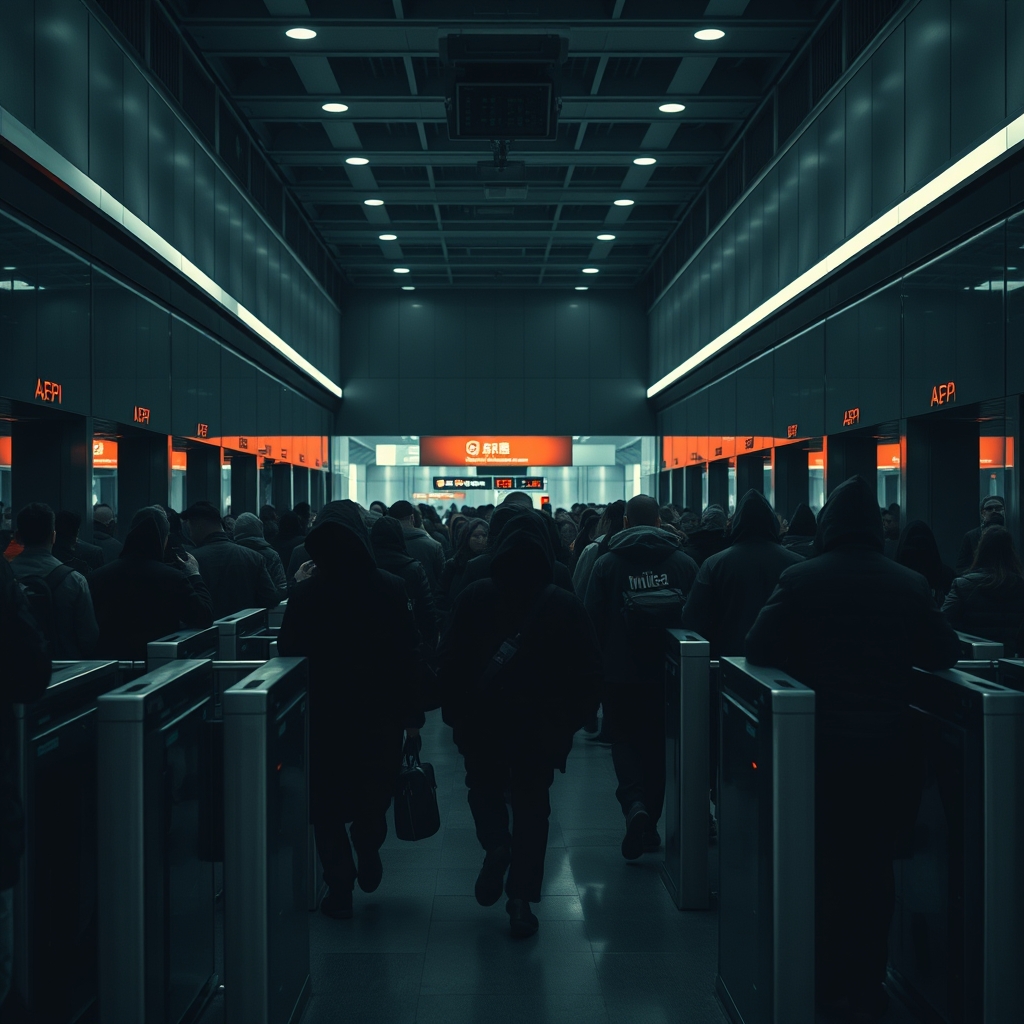
The pushback against facial recognition technology at Madison Square Garden is part of a broader trend of resistance against the use of biometric surveillance in public spaces, as seen in the efforts to ban facial recognition in New York. This resistance is driven by concerns about privacy and the potential for abuse of this technology, and it is not limited to the United States, as evidenced by the development of privacy-minded fashion that aims to baffle facial recognition systems. The fact that Western Australia Police's mobile live facial recognition trial scanned over 130,000 faces in its first week, leading to 19 arrests, highlights the potential for this technology to be used in a highly intrusive and pervasive manner, which is why some are advocating for a ban on its use, as discussed in the article on facial recognition facing backlash.
The use of facial recognition technology is not only a concern for individuals, but also for businesses and organizations, as it raises questions about the collection and use of biometric data, and the potential for this data to be compromised or misused. The facial recognition payment devices market is expected to grow significantly in the coming years, which could lead to even more widespread use of this technology, and further erosion of privacy. However, as seen in the cancellation of the Flock surveillance feature, there are also efforts to push back against the use of this technology, and to promote more privacy-friendly alternatives. Ultimately, the debate over facial recognition technology is part of a larger conversation about the balance between security and privacy, and the need for greater transparency and accountability in the use of biometric surveillance, as discussed in the article on facial recognition under fire.
The pushback against facial recognition technology at MSG is also reflected in the ID Tech Digest, which highlights the growing concern about the use of biometric data and the need for more robust protections for individuals. As the use of facial recognition technology continues to expand, it is likely that we will see even more resistance and pushback against its use, particularly in public spaces where individuals have a reasonable expectation of privacy. The fact that police surveillance centers are being upgraded with private funding, and that facial recognition trials are being conducted in crowded public spaces, highlights the need for greater oversight and regulation of this technology, and the importance of protecting individual privacy and civil liberties.
Cross-reference independently — do not take our word for it.
This article is produced by NewsAnarchist's AI reporting system, not a human staff reporter. It's built from the primary source cited above (a FOIA release, an agency's own policy or procurement document, court filings from surveillance litigation, or the wire reporting linked in the body) and reports what that source states, attributed to it — it does not allege intent behind a surveillance program beyond what the record shows. Part of our Surveillance State hub. Found an error? Tell us.