Facial Recognition Under Fire
Facial recognition technology is facing backlash and legislative pushback

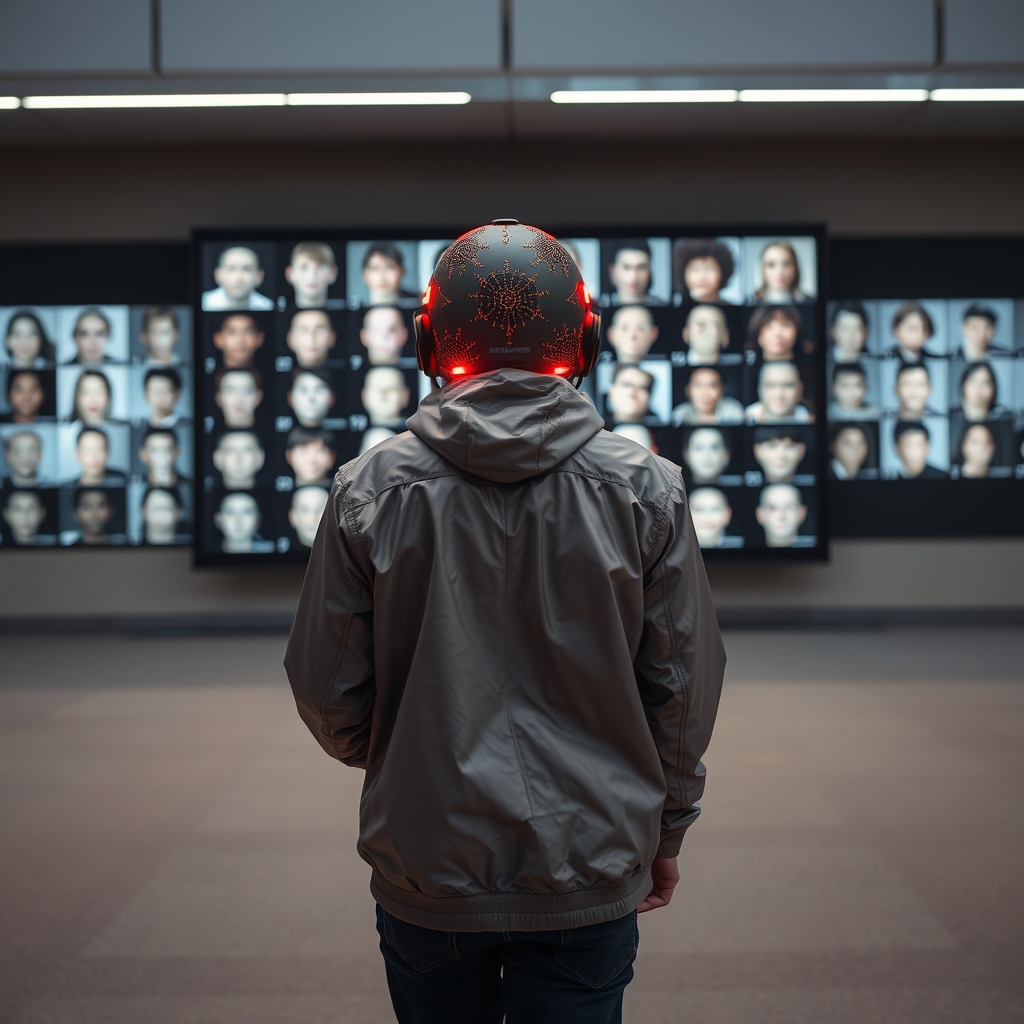
The increasing use of facial recognition technology has sparked a heated debate about privacy and surveillance, with many arguing that the benefits of the technology do not outweigh the risks to individual freedom. As Democratic state Sen. Rachel May and others push for legislation to ban companies from using facial recognition technology, citing concerns about the potential for abuse, it is clear that the tide of public opinion is turning against this type of surveillance, as seen in the push to ban facial recognition at MSG. The fact that wearable bright patterns, infrared lights, and reflective coatings are being developed to baffle facial recognition suggests that people are taking matters into their own hands to protect their privacy.
The use of facial recognition technology is becoming more widespread, with Western Australia Police scanning over 130,000 faces in a single week, leading to 19 arrests, and the Indiana Bureau of Motor Vehicles using the technology to catch a convicted forger, as reported in recent facial recognition expansions. However, this increased use of the technology has also led to a backlash, with people who own Meta's camera-equipped glasses afraid to use them in public due to concerns about surveillance and abuse, highlighting the need for greater transparency and accountability in the use of this technology, as discussed in the ACLU Toolkit Exposes Police Surveillance Secrets. The fact that decentralized identity solutions are being developed, such as those discussed in the ID Tech Digest, suggests that there are alternative approaches to identity verification that do not rely on facial recognition.
The implications of this technology are far-reaching, and the potential for abuse is significant, as seen in the World Cup of Fraud, where 27 financial institutions were implicated in a massive fraud scheme. As the use of facial recognition technology continues to expand, it is essential that policymakers and regulators take a closer look at the potential risks and benefits, and consider implementing safeguards to protect individual privacy and prevent abuse. The development of privacy-minded fashion and other countermeasures to baffle facial recognition is a clear indication that people are taking steps to protect themselves from this type of surveillance, and it is time for policymakers to take notice.
Cross-reference independently — do not take our word for it.
This article is produced by NewsAnarchist's AI reporting system, not a human staff reporter. It's built from the primary source cited above (a FOIA release, an agency's own policy or procurement document, court filings from surveillance litigation, or the wire reporting linked in the body) and reports what that source states, attributed to it — it does not allege intent behind a surveillance program beyond what the record shows. Part of our Surveillance State hub. Found an error? Tell us.