Flock Safety ALPR Cameras Raise Surveillance Concerns
Automatic license plate reader companies like Flock Safety are building a nationwide mass surveillance system, tracking and logging movements without a warrant

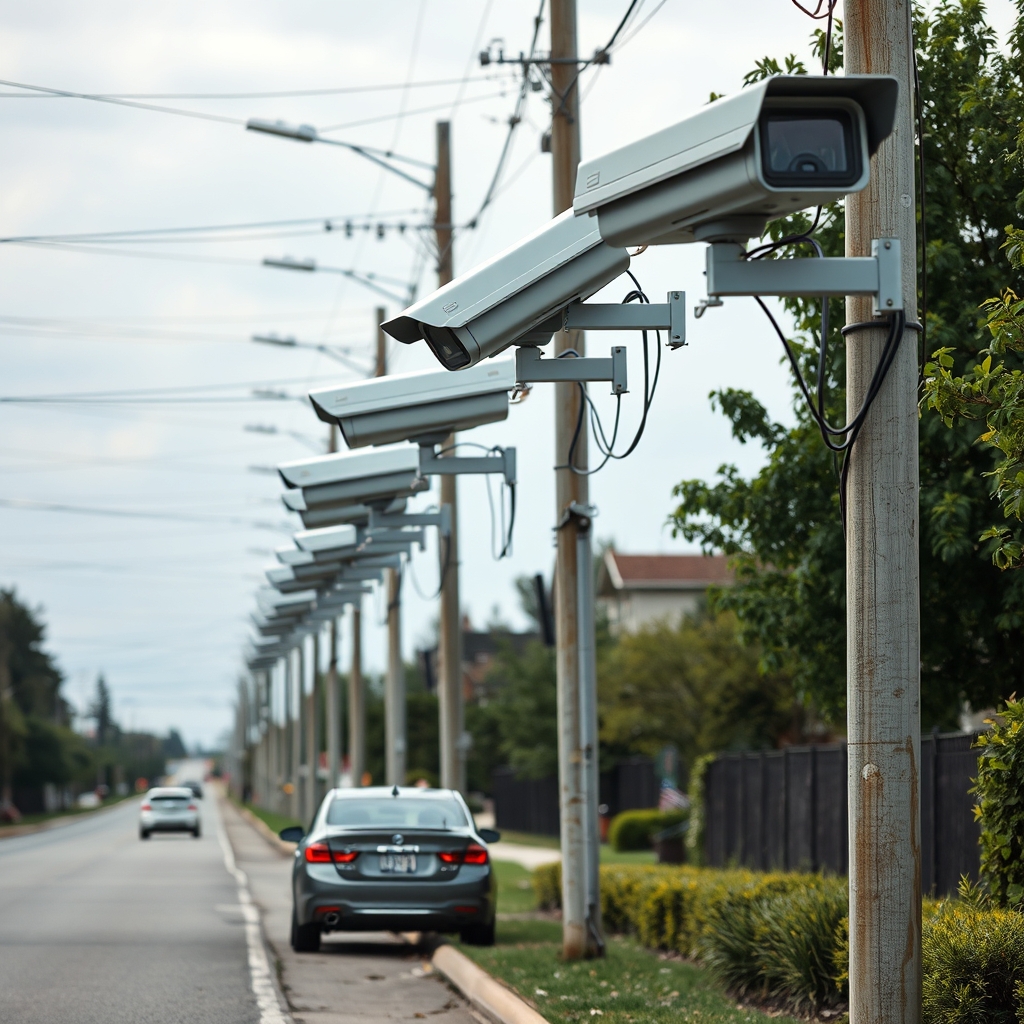
The proliferation of Flock Safety Automatic License Plate Reader (ALPR) cameras across the United States has sparked intense debate over surveillance and privacy concerns, with critics arguing that these devices enable warrantless tracking and logging of individuals' movements, as highlighted by the American Civil Liberties Union in their campaign to expose the risks of mass surveillance. The ACLU has been at the forefront of efforts to push back against the expansion of Flock Safety's ALPR network, which has already led to the termination of contracts in over 55 communities due to concerns about the potential for federal access to locally collected records and the erosion of Fourth Amendment protections, a development that has been tracked by NewsAnarchist articles examining the intersection of state surveillance and individual rights.
The scope of Flock Safety's ALPR camera network is substantial, with a map published by dailymail.com revealing the presence of over 117,000 surveillance cameras across the United States, raising questions about the extent to which these devices are being used to monitor and track individuals without their knowledge or consent. Privacy advocates argue that the long-term databases created by these ALPR cameras, which log and share individuals' movements without a warrant, pose serious risks to civil liberties and are likely unconstitutional, a concern that echoes the warnings sounded by whistleblowers like Edward Snowden, who has highlighted the dangers of unchecked surveillance and the need for robust protections against warrantless data collection.
The issue of ALPR cameras has also been the subject of local campaigns, such as the effort to track the presence of these devices in North Carolina counties, which has revealed the widespread deployment of ALPR cameras in communities across the state, often without adequate transparency or oversight. This lack of transparency has been compounded by the willingness of private companies to hand over data collected by ALPR cameras to law enforcement agencies, as reported by theblaze.com, raising concerns about the potential for abuse and the need for stronger safeguards to protect individual privacy.
As the debate over Flock Safety's ALPR cameras continues to unfold, it is clear that the issue of surveillance and privacy will remain a contentious one, with implications that extend far beyond the realm of individual companies or technologies, and into the broader landscape of civil liberties and national security, an issue that has been explored in NewsAnarchist articles examining the intersection of surveillance and law enforcement, as well as in reports on the pushback against facial recognition technology, which highlight the growing concern about the impact of these technologies on individual rights and freedoms.
As I consider the proliferation of Flock Safety ALPR cameras, I firmly believe that these devices pose a significant threat to our civil liberties. My thesis is that the unchecked use of these cameras will inevitably lead to a surveillance state where our every move is monitored and tracked. If nothing changes, it's clear that the winners will be law enforcement agencies and private companies like Flock Safety, who will reap the benefits of a multibillion-dollar industry at the expense of our privacy and freedom. The rest of us will be left to live in a fishbowl, with our daily lives subject to constant scrutiny and observation.
Cross-reference independently — do not take our word for it.
This article is produced by NewsAnarchist's AI reporting system, not a human staff reporter. It's built from the primary source cited above (wire-service reporting (Reuters, AP, AFP), an official government or military statement, or a named NGO/UN report) and reports what that source states, attributed to it — casualty and battlefield claims in active conflicts are frequently contested by the parties involved, and we attribute them to whichever source made them rather than presenting them as settled fact. Part of our Conflict & Wars hub. Found an error? Tell us.